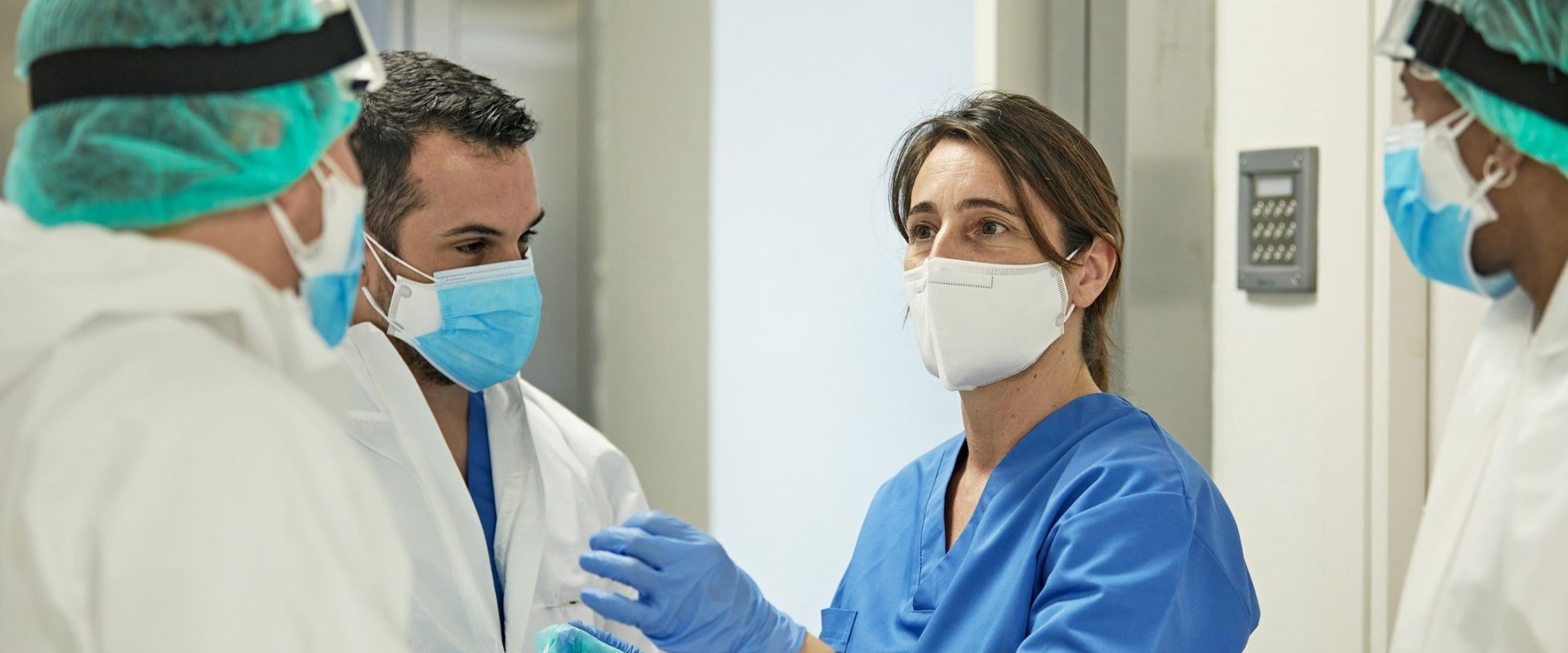
Nurse competency is a multifaceted concept that encompasses the knowledge, skills, and attitudes required for effective nursing practice. It is not merely a checklist of tasks to be completed; rather, it represents a dynamic and ongoing process that evolves with advancements in healthcare, technology, and patient needs. The American Nurses Association (ANA) defines nurse competency as the "application of knowledge, skills, and abilities required for the practice of nursing at a level consistent with the current standards of practice." This definition underscores the importance of staying current in a field that is constantly changing. Understanding Nurse competency is a multifaceted concept that encompasses the knowledge, skills, and attitudes required for effective nursing practice. It is not merely a checklist of tasks to be completed; rather, it represents a dynamic and ongoing process that evolves with advancements in healthcare, technology, and patient needs. The American Nurses Association (ANA) defines nurse competency as the "application of knowledge, skills, and abilities required for the practice of nursing at a level consistent with the current standards of practice." This definition underscores the importance of staying current in a field that is constantly changing. Understanding nurse competency is essential for several reasons. First and foremost, it directly impacts patient care.
Competent nurses are better equipped to assess patient conditions accurately, implement appropriate interventions, and evaluate outcomes effectively. This leads to improved patient safety and satisfaction, which are critical components of quality healthcare. Furthermore, nurse competency fosters trust between patients and healthcare providers, as patients feel more secure when they know their caregivers possess the necessary skills and knowledge. Moreover, maintaining nurse competency is vital for the professional development of nurses themselves. As healthcare becomes increasingly complex, nurses must engage in lifelong learning to adapt to new challenges and technologies.
This commitment to continuous improvement not only enhances individual performance but also contributes to the overall effectiveness of healthcare teams. In essence, nurse competency serves as the foundation upon which high-quality patient care is built, making it an indispensable aspect of nursing practice.
The Role of Teamwork in Nursing
In the dynamic field of nursing, teamwork serves as a cornerstone for maintaining and enhancing nurse competency. The collaborative nature of nursing teams not only fosters a supportive environment but also significantly contributes to the overall quality of patient care. By working together, nurses can leverage each other's strengths, share knowledge, and develop skills that are essential for effective practice. One of the primary benefits of teamwork in nursing is the facilitation of knowledge sharingknowledge sharing.Each nurse brings unique experiences and expertise to the table, creating a rich tapestry of skills that can be utilized for the benefit of all team members. For instance, a nurse with specialized training in pediatric care can provide insights to colleagues who primarily work with adult patients. This exchange of information not only broadens individual competencies but also enhances the collective capability of the team. Moreover, teamwork promotes a culture of accountability. In a collaborative setting, nurses are more likely to hold each other accountable for their actions and responsibilities.
This mutual accountability ensures that tasks are completed efficiently and effectively, reducing the likelihood of errors that could compromise patient safety. When team members support one another in fulfilling their roles, it cultivates an environment where continuous improvement is prioritized. Additionally, teamwork encourages mentorship among nurses. Experienced nurses can guide newer colleagues through complex clinical situations, providing them with the confidence and skills necessary to excel in their roles. This mentorship not only aids in the professional development of novice nurses but also reinforces the competencies of seasoned practitioners as they reflect on their own practices while teaching others. Furthermore, effective teamwork leads to improved patient outcomes.
When nurses collaborate seamlessly, they can coordinate care more effectively, ensuring that all aspects of a patient's needs are addressed. This holistic approach not only enhances patient satisfaction but also contributes to better health outcomes, as patients receive comprehensive care tailored to their specific conditions. In conclusion, the role of teamwork in nursing is indispensable for maintaining nurse competency. By fostering an environment where knowledge sharing, accountability, mentorship, and coordinated care thrive, nursing teams can enhance their collective skills and ultimately provide superior patient care.
Collaboration: A Key Component of Nurse Competency
Collaboration among healthcare professionals is not just a beneficial practice; it is a fundamental component in maintaining nurse competency. In an increasingly complex healthcare environment, the ability to work effectively with colleagues from various disciplines enhances the quality of care provided to patients.This section explores the significance of collaboration in nursing, emphasizing its role in fostering critical thinking, resource sharing, and comprehensive patient care.
This section explores the significance of collaboration in nursing, emphasizing its role in fostering critical thinking, resource sharing, and comprehensive patient care.
Interdisciplinary Collaboration
Interdisciplinary collaboration involves nurses working alongside physicians, pharmacists, therapists, and other healthcare professionals. This collaborative approach allows for a more holistic view of patient care. Each discipline brings unique expertise and perspectives, which can lead to innovative solutions for complex patient issues. For instance, when nurses collaborate with pharmacists, they can better understand medication management and potential interactions, ultimately improving patient safety.
Fostering Critical Thinking
Working in a collaborative environment encourages nurses to engage in critical thinking.
When faced with challenging cases, discussions with colleagues can stimulate new ideas and approaches. This exchange of knowledge not only enhances individual competencies but also promotes a culture of inquiry where questioning and exploring different viewpoints are encouraged. Such an environment nurtures professional growth and leads to improved patient outcomes.
When faced with challenging cases, discussions with colleagues can stimulate new ideas and approaches. This exchange of knowledge not only enhances individual competencies but also promotes a culture of inquiry where questioning and exploring different viewpoints are encouraged. Such an environment nurtures professional growth and leads to improved patient outcomes.
Resource Sharing
Collaboration also facilitates the sharing of resources among healthcare professionals. In many healthcare settings, resources such as time, equipment, and information can be limited.
By collaborating effectively, teams can optimize these resources to ensure that patients receive the best possible care. For example, sharing best practices and evidence-based guidelines among team members can lead to more efficient workflows and reduced redundancy in patient care processes.
Comprehensive Patient Care
The ultimate goal of collaboration is to provide comprehensive patient care. When healthcare professionals work together seamlessly, they can address all aspects of a patient's needs—physical, emotional, and social. This comprehensive approach not only improves patient satisfaction but also enhances health outcomes by ensuring that all factors influencing a patient's health are considered.
In conclusion, collaboration is essential for maintaining nurse competency.
By engaging in interdisciplinary teamwork, fostering critical thinking, sharing resources effectively, and providing comprehensive care, nurses can enhance their skills and contribute significantly to the overall quality of healthcare delivery.
Knowledge Sharing Through Teamwork
In the nursing profession, knowledge sharing is a vital component that enhances the overall competency of healthcare teams. Teamwork creates an environment where experienced nurses can impart their knowledge and skills to less experienced colleagues, fostering a culture of continuous learning and improvement. One of the most effective ways that teamwork facilitates knowledge sharing is through mentorship programs. In these programs, seasoned nurses take on the role of mentors for new nurses, guiding them through the complexities of patient care. This relationship not only helps newcomers develop their clinical skills but also instills confidence in their abilities.For instance, a nurse with extensive experience in critical care can provide invaluable insights into managing high-stress situations, teaching new nurses how to prioritize tasks and make quick decisions. Moreover, regular team meetings and collaborative case discussions serve as platforms for knowledge exchange. During these sessions, nurses can share their experiences with specific patient cases, discuss challenges they faced, and explore solutions together. This collaborative approach not only enhances individual skills but also improves the team's collective competency. For example, if a nurse encounters a rare medical condition, sharing this experience with the team can prepare others for similar situations in the future. The benefits of knowledge sharing extend beyond skill enhancement; they also contribute to improved patient outcomes.
When nurses collaborate and share their expertise, they create a more comprehensive care plan that addresses various aspects of a patient's health. This holistic approach ensures that all team members are on the same page regarding treatment protocols and patient needs. Additionally, knowledge sharing fosters a sense of community within the nursing staff. When nurses feel supported by their colleagues and have access to shared knowledge, they are more likely to engage in open communication and seek help when needed. This supportive atmosphere not only reduces feelings of isolation but also encourages professional growth. In conclusion, teamwork plays a crucial role in facilitating knowledge sharing among nurses.
By creating opportunities for mentorship and collaborative discussions, healthcare teams can significantly enhance their skills and competencies. This not only benefits individual nurses but ultimately leads to better patient care and outcomes.
Accountability and Responsibility in Nursing Teams
In the dynamic environment of healthcare, accountability and responsibility are fundamental components that underpin the effectiveness of nursing teams. When nurses work collaboratively, the shared sense of accountability fosters a culture where each team member is not only responsible for their own tasks but also for the overall success of the team. This collective responsibility is crucial in ensuring that patient care is delivered safely and effectively. One of the primary benefits of accountability within nursing teams is the enhancement of task completion.When nurses understand that their colleagues rely on them to fulfill their roles, they are more likely to complete their assignments diligently and on time. This interdependence encourages a proactive approach to nursing duties, where team members communicate openly about their progress and challenges. For instance, if a nurse is struggling with a particular patient’s care plan, they can seek assistance from their peers, ensuring that no aspect of patient care is overlooked. Moreover, shared accountability significantly reduces the likelihood of errors. In a collaborative setting, nurses can double-check each other’s work and provide constructive feedback.
This practice not only minimizes mistakes but also promotes a learning environment where team members can grow from each other’s experiences. For example, if one nurse identifies a potential error in medication administration, they can alert their colleague before it impacts patient safety. Such vigilance is essential in maintaining high standards of care. Additionally, fostering a culture of accountability enhances patient safety. When nurses are aware that their actions directly affect patient outcomes, they are more inclined to adhere to protocols and best practices.
Regular team meetings can serve as platforms for discussing accountability measures, where nurses can share insights on improving care processes and addressing any gaps in knowledge or skills. In conclusion, accountability and responsibility within nursing teams are vital for improving patient safety and ensuring high-quality care. By embracing these principles, nurses not only enhance their own competency but also contribute to a safer healthcare environment for patients. As such, cultivating a culture of accountability should be a priority for all healthcare organizations aiming to improve outcomes and foster professional growth among nursing staff.
Creating a Supportive Environment for Continuous Learning
Creating a supportive work environment is essential in nursing, as it directly influences the ability of nurses to engage in continuous learning and maintain their competency. A collaborative atmosphere fosters open communication, where team members feel comfortable sharing their knowledge and experiences.This not only enhances individual skills but also contributes to the overall competency of the nursing team. One of the key components of a supportive environment is the presence of effective mentorship programs. Experienced nurses can guide newcomers, providing them with valuable insights and practical skills that are crucial for their development. Mentorship not only helps new nurses acclimate to their roles but also reinforces the knowledge of seasoned professionals as they teach and share their expertise. Moreover, a culture that encourages continuous learning can significantly reduce stress and burnout among nurses. When nurses are supported in their professional growth, they are more likely to feel valued and engaged in their work.
This engagement can lead to higher job satisfaction, which is vital in a field known for its high levels of stress. To cultivate such an environment, healthcare organizations should implement regular training sessions, workshops, and team-building activities that promote collaboration and knowledge sharing. These initiatives not only enhance skills but also strengthen relationships among team members, creating a sense of community. Additionally, recognizing and celebrating achievements within the team can further boost morale. Acknowledging both small victories and significant accomplishments fosters a positive atmosphere where nurses feel appreciated for their contributions. In conclusion, establishing a supportive work environment is crucial for encouraging continuous learning in nursing. By prioritizing mentorship, promoting open communication, and recognizing achievements, healthcare organizations can help reduce burnout and enhance nurse competency.
This ultimately leads to better patient care and improved outcomes across the board.
The Impact of Teamwork on Patient Outcomes
Effective teamwork in healthcare settings is not just a matter of convenience; it is a critical component that directly influences patient outcomes. When healthcare professionals collaborate seamlessly, they create a more cohesive care environment that significantly enhances the quality of care provided to patients. One of the most notable impacts of teamwork on patient outcomes is the improvement in communication among healthcare providers. Clear and open lines of communication ensure that all team members are on the same page regarding patient care plans, treatment protocols, and any changes in a patient's condition. This reduces the likelihood of errors and miscommunication, which can lead to adverse events.For instance, a study published in the Journal of Nursing Care Quality found that effective communication within teams led to a 30% reduction in medication errors. Moreover, teamwork fosters a culture of shared responsibility. When nurses, physicians, and other healthcare professionals work together, they can collectively monitor patient progress and intervene promptly when issues arise. This collaborative approach not only enhances patient safety but also contributes to quicker recovery times. According to research from the Institute for Healthcare Improvement, hospitals that implemented structured teamwork strategies saw a 20% decrease in patient readmission rates. Another significant benefit of teamwork is the enhancement of patient satisfaction.
Patients who perceive their care team as cohesive and collaborative often report higher levels of satisfaction with their overall care experience. This is largely due to the personalized attention they receive when multiple professionals coordinate their efforts to address individual needs. A survey conducted by The Beryl Institute indicated that patients who experienced coordinated care reported a 25% increase in satisfaction compared to those who did not. Furthermore, interdisciplinary teamwork allows for comprehensive care planning that addresses not only the medical needs but also the emotional and psychological aspects of patient care. For example, when nurses collaborate with social workers and therapists, they can develop holistic care plans that consider all facets of a patient's well-being.
This integrated approach has been shown to improve health outcomes significantly, particularly for patients with chronic conditions. In conclusion, the impact of teamwork on patient outcomes is profound and multifaceted. By fostering effective communication, promoting shared responsibility, enhancing patient satisfaction, and enabling comprehensive care planning, teamwork plays an essential role in improving health results for patients. As healthcare continues to evolve, prioritizing collaborative practices will be crucial for achieving optimal patient outcomes.
Professional Growth Through Collaboration and Teamwork
Collaboration and teamwork are not just essential for delivering quality patient care; they also play a pivotal role in the professional growth of nurses. Engaging with colleagues in a collaborative environment fosters an atmosphere where learning and development can thrive, ultimately leading to enhanced career opportunities.Networking Opportunities
One of the most significant advantages of teamwork is the opportunity for networking.
When nurses collaborate with their peers, they build relationships that can extend beyond their immediate work environment. These connections can lead to:
- Mentorship: Experienced nurses often take on mentorship roles, guiding newer nurses through challenges and sharing valuable insights that can accelerate their professional development.
- Interdisciplinary Collaboration: Working alongside other healthcare professionals, such as physicians and therapists, allows nurses to gain a broader understanding of patient care, which can enhance their skill set and open doors to new roles.
- Professional Organizations: Teamwork often leads to participation in professional nursing organizations, where nurses can network with others in their field, attend conferences, and access resources that promote career advancement.
Career Advancement Through Teamwork
The collaborative nature of nursing practice can significantly impact career advancement. Nurses who actively participate in team-based projects or committees often find themselves in positions that allow them to:
- Develop Leadership Skills: Taking on leadership roles within a team helps nurses cultivate essential skills such as decision-making, conflict resolution, and effective communication.
- Gain Recognition: Demonstrating teamwork and collaboration can lead to recognition from peers and supervisors, which may result in promotions or opportunities for specialized training.
- Expand Knowledge Base: Exposure to diverse perspectives within a team enhances critical thinking and problem-solving abilities, making nurses more competent and competitive in the job market.
Challenges to Effective Teamwork and Collaboration in Nursing
Effective teamwork and collaboration in nursing are essential for maintaining nurse competency and ensuring high-quality patient care.However, various challenges can hinder these collaborative efforts. Understanding these obstacles is the first step toward overcoming them and fostering a more cohesive work environment.
Common Challenges in Nursing Teamwork
- Communication Barriers: Miscommunication or lack of communication can lead to misunderstandings among team members. This may stem from differences in professional jargon, varying levels of experience, or even cultural differences.
- Hierarchical Structures: Traditional hierarchies in healthcare can create power dynamics that discourage open dialogue. Nurses may feel hesitant to voice their opinions or concerns, which can stifle collaboration.
-
Time Constraints: The fast-paced nature of healthcare often leaves little time for team discussions or collaborative decision-making.
Nurses may prioritize immediate tasks over team interactions, leading to fragmented care.
- Diverse Skill Sets: While diversity in skills can enhance a team's capabilities, it can also lead to conflicts if not managed properly. Differences in training and expertise may result in disagreements on the best approaches to patient care.
Strategies for Overcoming Obstacles
To enhance teamwork and collaboration among nursing teams, several strategies can be implemented:- Foster Open Communication: Encourage an environment where all team members feel comfortable sharing their thoughts and ideas. Regular team meetings can provide a platform for discussion and feedback.
- Implement Team-Building Activities: Engaging in team-building exercises can strengthen relationships among team members, helping to break down barriers and build trust.
- Encourage Interprofessional Collaboration: Promote collaboration with other healthcare professionals to broaden perspectives and improve problem-solving skills. This can lead to more comprehensive patient care.
-
Provide Training on Conflict Resolution: Equip nurses with the skills to handle conflicts constructively.
Training sessions on effective communication and conflict resolution can empower nurses to address issues proactively.
<strong>Conclusion</strong>
In summary, the significance of teamwork and collaboration in maintaining nurse competency cannot be overstated. As the healthcare landscape continues to evolve, the need for nurses to work cohesively with their colleagues becomes increasingly vital. The integration of diverse skills and perspectives not only enhances individual competencies but also fosters a culture of continuous learning and improvement. By engaging in collaborative practices, nurses are better equipped to tackle complex patient care scenarios. This collaborative approach allows for the sharing of knowledge and resources, which is essential in a field where advancements in technology and treatment protocols are constant.Furthermore, interdisciplinary collaboration encourages nurses to develop critical thinking and problem-solving skills, which are crucial for effective patient care. Moreover, a supportive team environment significantly reduces stress and burnout among nursing professionals. When nurses feel supported by their peers, they are more likely to remain engaged and motivated in their roles. This positive work atmosphere not only benefits the nurses but also translates into improved patient outcomes, as satisfied and competent nurses are more likely to provide high-quality care. As healthcare organizations strive for excellence, it is imperative that they promote teamwork and collaboration as core values within their culture. This can be achieved through ongoing training programs, team-building activities, and creating opportunities for interdisciplinary interactions.
By investing in these areas, healthcare institutions can ensure that their nursing staff remains competent and capable of meeting the demands of modern healthcare. Ultimately, the journey towards maintaining nurse competency is a shared responsibility that requires commitment from both individual nurses and healthcare organizations. Embracing teamwork and collaboration not only enhances professional growth but also leads to better health outcomes for patients. As we move forward, it is essential for all stakeholders in the healthcare system to recognize and harness the power of collaboration in fostering a competent nursing workforce.